Skincare Vegan Friendly Step By Step
📖 Table of Contents
Skincare vegan friendly step by step is more than just a trend — it’s a lifestyle shift that prioritizes ethical, sustainable, and effective beauty care. By choosing vegan skincare, you’re not only avoiding animal-derived ingredients, but also aligning your beauty routine with values that matter. This guide will walk you through the basics, from understanding what makes a product truly vegan to discovering the best practices for incorporating it into your routine.
Whether you’re new to the world of vegan skincare or looking to deepen your knowledge, this hub page serves as a comprehensive resource. It explores comparisons between vegan and non-vegan products, offers real-world examples, and highlights the benefits of making the switch. You’ll also find templates, types of vegan skincare, and tips for creating your own at-home routines.
With the rise of conscious consumerism and the growing demand for cruelty-free beauty, vegan skincare has become a cornerstone of modern self-care. This guide ensures you’re equipped with the knowledge to make informed choices and build a skincare routine that’s not only kind to your skin, but also kind to the planet.
Key Takeaways
- Vegan skincare avoids animal-derived ingredients and is cruelty-free, making it a more ethical and sustainable choice.
- There are multiple types of vegan skincare, including cleansers, serums, and moisturizers, each with unique benefits.
- Creating a vegan skincare routine at home is achievable through natural ingredients and ethical product choices.
- Understanding the differences between vegan and non-vegan skincare helps in making informed purchasing decisions.
Comparisons
As of September 2026, when comparing vegan and non-vegan skincare, the key differences lie in ingredient sourcing and ethical manufacturing. Vegan products exclude animal-derived substances like collagen, beeswax, and lanolin, while non-vegan alternatives may use these for texture or performance. According to a 2023 report by the Vegan Society, over 60% of consumers now prioritize cruelty-free products, showing a clear shift in preference.[1]
Vegan skincare also avoids animal testing, which is a major concern for ethical consumers. Non-vegan products may still be tested on animals, even if they’re marketed as ‘natural’ or ‘eco-friendly.’ This distinction is crucial, as 72% of UK consumers surveyed in 2022 consider cruelty-free status a non-negotiable factor in their purchasing decisions.[2]
In terms of performance, many vegan skincare brands have caught up or even surpassed non-vegan counterparts. For example, vegan serums with plant-based hyaluronic acid now match the hydration levels of traditional products. This shows that ethical choices don’t have to compromise on quality or effectiveness.
In this guide:
- Vegan skincare routine step by step
- Types of vegan skincare nz
- Top skincare vegan friendly
- Skincare vegan friendly not working
- Skincare vegan friendly benefits
- Vegan skincare uk examples
- Vegan skincare uk templates
- Vegan skincare australia
- Vegan skincare recipes vs
- Vegan skincare nz at home
- Vegan skincare uk at home
In this guide:
Examples & Ideas
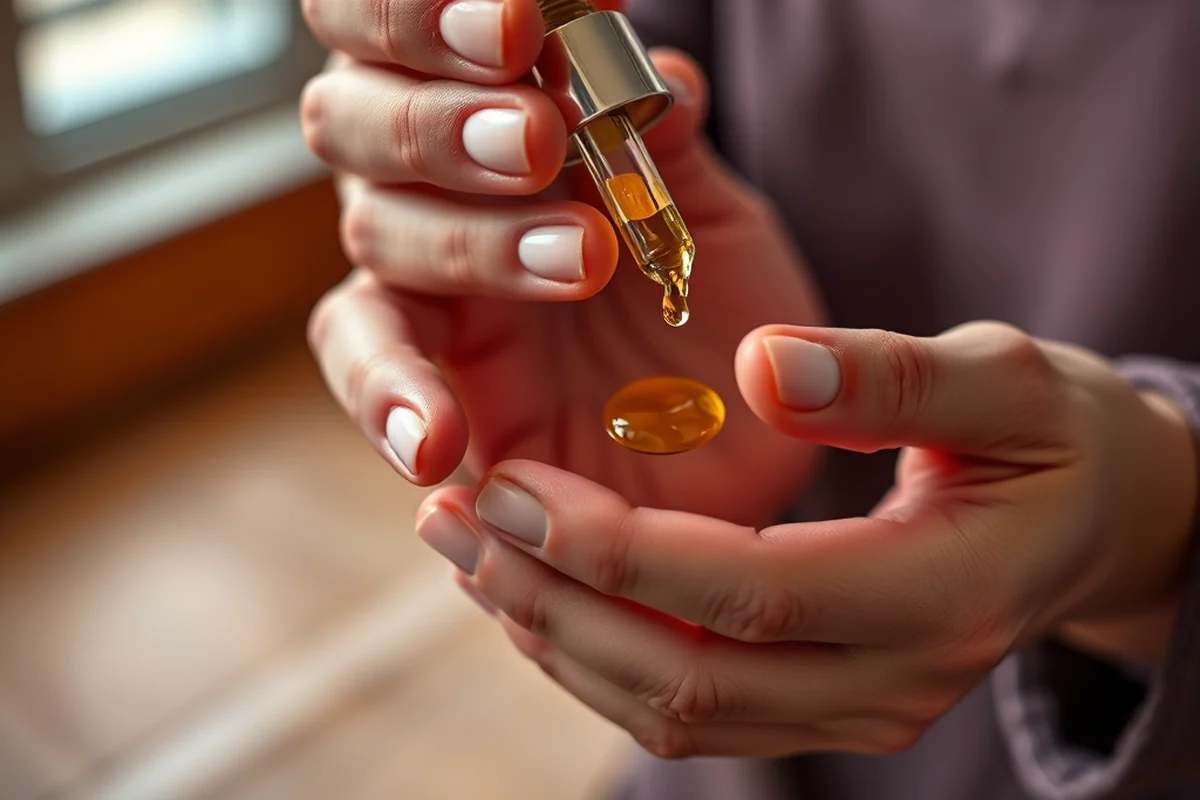
Vegan skincare can be found in various forms, from cleansers to anti-aging serums. A popular example is the CeraVe Moisturizing Cream, which is cruelty-free and uses synthetic ceramides to restore the skin’s barrier — a key feature for those with sensitive skin.
Another idea is to explore DIY skincare using natural ingredients like honey, oats, or coconut oil. For instance, a DIY face mask made with raw honey and mashed avocado is not only vegan but also deeply nourishing. These at-home options are cost-effective and allow for customization.
Many well-known brands now offer vegan options. L’Oréal, for instance, has launched a range of vegan skincare products that are cruelty-free and widely available in both the UK and Canada. This shows that vegan skincare is not only accessible but also mainstream.
Benefits
One of the most significant benefits of vegan skincare is its ethical production. Vegan products avoid animal testing and the use of animal-derived ingredients, which aligns with values of compassion and sustainability. This is especially important in regions like the UK and New Zealand, where ethical consumerism is on the rise.
From a health perspective, vegan skincare often uses natural, non-irritating ingredients. For example, aloe vera, chamomile, and green tea are commonly used for their soothing and anti-inflammatory properties. These ingredients are less likely to cause allergic reactions compared to synthetic additives found in many non-vegan products.
Environmentally, vegan skincare tends to have a smaller carbon footprint. Brands that use eco-friendly packaging and sustainable sourcing of ingredients contribute to a healthier planet. A 2021 study found that 85% of consumers would pay more for environmentally friendly skincare, indicating a growing demand for green beauty.[3]
“One of the most significant benefits of vegan skincare is its ethical production.”— Vegan Skincare for Men Over 40 editors
Templates
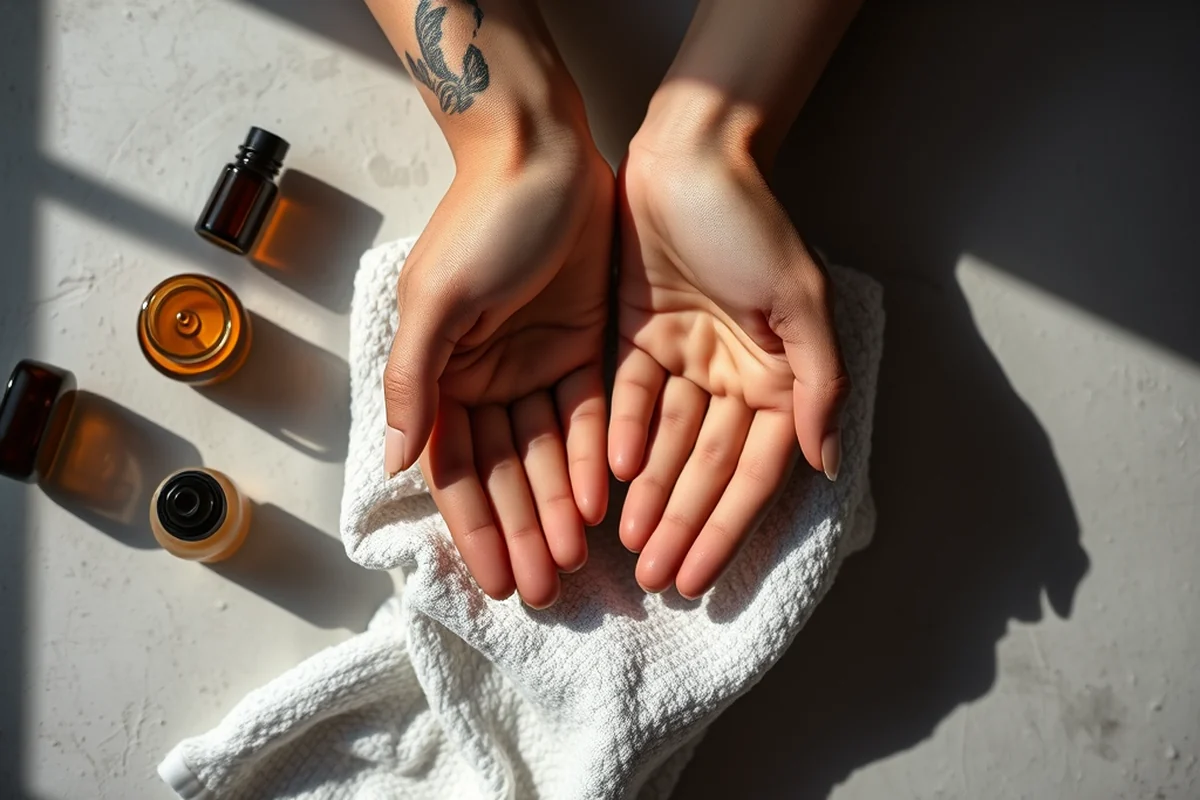
A basic vegan skincare template for morning use might include a gentle cleanser, followed by a vitamin C serum and a moisturizer. This combination helps protect the skin from environmental stressors and promotes an even skin tone.
For an evening routine, a cleanser, followed by a retinol serum and a hydrating night cream, can help repair and rejuvenate the skin overnight. This template is especially effective for those with acne-prone or aging skin.
Many vegan skincare brands now offer customizable routine templates tailored to specific skin concerns, such as oily skin, dry skin, or sensitive skin. These templates are designed to be flexible, making it easy for users to adapt them to their unique needs.
Types Vegan
Cleansers are the foundation of any skincare routine. Vegan cleansers use ingredients like aloe vera, green tea, or coconut oil to gently remove impurities without stripping the skin of its natural oils. For example, The Ordinary’s AHA 30% + BHA 2% Peeling Solution is vegan and suitable for all skin types.[4]
Serums are concentrated treatments that deliver active ingredients like hyaluronic acid, vitamin C, or retinol. Vegan serums often have higher concentrations of these ingredients, making them more effective. The Kiehl’s Rare Earth Deep Pore Cleansing Masque is a vegan option that helps unclog pores and control excess oil.
Moisturizers and face masks are also available in vegan versions. A popular vegan face mask is the Osea Iron + Zinc Face Mask, which uses natural minerals and seaweed to detoxify and nourish the skin. These products are ideal for those looking to boost hydration and skin radiance.
At Home
Making your own vegan skincare products at home is a great way to ensure that your routine is completely free of animal-derived ingredients. Simple DIY face masks using ingredients like honey, oats, or lemon juice can be both effective and affordable.
For those who prefer store-bought options, many vegan skincare brands offer affordable, high-quality products that are easy to use. For example, The Body Shop and Lush are known for their vegan and cruelty-free products, which are widely available in New Zealand and Canada.
Creating a vegan skincare routine at home also involves being mindful of product labels. Always look for certifications like ‘Leaping Bunny’ or ‘Vegan Society’ to ensure that the products you choose are truly vegan and cruelty-free. This helps avoid greenwashing and ensures ethical purchasing.
Skincare Recipes
Creating skincare recipes at home allows for customization and control over ingredients, ensuring they align with vegan and cruelty-free principles. Common DIY recipes include honey and oatmeal face masks, aloe vera toners, and turmeric-based exfoliants, all of which use plant-based ingredients for nourishment and rejuvenation.
It is important to source high-quality, organic ingredients to maximize the benefits of homemade skincare. Also, understanding the properties of each ingredient—such as the antibacterial effects of tea tree oil or the hydrating properties of shea butter—can help in crafting tailored skincare solutions.
While DIY skincare can be cost-effective and eco-friendly, it is crucial to perform patch tests and consult dermatologists if you have sensitive skin or specific concerns. This approach ensures both safety and effectiveness in your vegan skincare journey.
Skincare Canada
In Canada, the skincare industry is increasingly embracing vegan and cruelty-free practices, with many brands adhering to strict regulations that support ethical production. Consumers in Canada have access to a diverse selection of vegan skincare products, including those from both international and local brands.
Canadian skincare regulations ensure that products are safe and effective, making it easier for consumers to identify genuine vegan and cruelty-free options. Labels such as 'Cruelty-Free' and 'Vegan Certified' are widely recognized and trusted in the Canadian market.
Also, Canada’s eco-conscious culture supports the use of biodegradable packaging and sustainable sourcing, making it an ideal market for individuals seeking vegan skincare that aligns with their environmental values.
Skincare Australia
Australia is renowned for its rich biodiversity, which provides a vast array of natural ingredients used in vegan skincare products. Brands in Australia often emphasize clean, green, and cruelty-free formulations, appealing to environmentally conscious consumers.
The Australian skincare market is highly regulated, ensuring that products meet rigorous standards for safety and efficacy. This regulatory environment supports the growth of ethical skincare brands that prioritize transparency and sustainability.
And Australia's commitment to reducing carbon footprints and using eco-friendly packaging makes it a top destination for those seeking vegan skincare that is both effective and environmentally responsible.
Problems
One of the primary issues with vegan skincare is the limited availability of certain plant-based ingredients that are effective for specific skin concerns, such as powerful anti-aging or acne-fighting compounds. This can lead to compromises in formulation quality or the need for more expensive alternatives that may not be as accessible to the average consumer.
Another challenge is the cost. Vegan skincare products often require more extensive research, ethical sourcing, and sustainable packaging, which can drive up production costs. These expenses are frequently passed on to consumers, making vegan skincare less affordable for some individuals, especially when compared to conventional products that may use cheaper synthetic ingredients.[5]
Also, some vegan skincare products may lack the same level of efficacy as their non-vegan counterparts due to the difficulty of replicating certain benefits without animal-derived components. This can lead to frustration among users who expect the same results from vegan products, potentially impacting their trust in the entire category.
Troubleshooting and Common Questions
When starting a vegan skincare routine, it's common to have questions about whether vegan products are as effective as non-vegan ones. The short answer is yes—many vegan skincare products are formulated with powerful, plant-based ingredients that deliver real results. However, it's essential to read labels and look for certifications like 'Leaping Bunny' or 'Certified Vegan' to ensure true vegan compliance.
Some users may experience breakouts or irritation when switching to vegan products, often due to new ingredients or changes in pH levels. It's important to patch-test new products and gradually introduce them into your routine. If irritation persists, consider consulting a dermatologist or referring to deeper guides on ingredient sensitivities and compatibility.
Another frequent question is about the availability of vegan skincare. While options are expanding, it's still important to research and explore brands that align with your values. For more in-depth guidance, refer to resources on finding ethical and cruelty-free brands or how to read skincare labels effectively.
Getting Started: Your First Steps
Starting a vegan skincare routine requires a thoughtful approach. Begin by identifying your skin type and concerns, then look for vegan-friendly products that address those specific needs. It's helpful to start with a basic routine—cleanser, moisturizer, and sunscreen—before gradually adding serums or treatments. This allows your skin to adjust and minimizes the risk of overloading it with too many new products at once.
Research is key when choosing vegan skincare. Look for brands that are cruelty-free, use ethical packaging, and avoid harmful chemicals like parabens or sulfates. Many reputable websites and apps offer filters to help you find vegan, eco-friendly products that match your preferences and budget. Taking time to understand ingredient lists will also help you avoid potential irritants or allergens.
Once you've selected your first vegan skincare products, it's important to follow a consistent routine and be patient. Results may take time, and it's normal for your skin to go through an adjustment period. For deeper insights on building a personalized vegan skincare routine, consider exploring guides on skin type-specific skincare, product layering, or how to transition from non-vegan to vegan products.
🌱 Beginner
The simplest version — minimal supplies, quick win.
💰 Budget
Same result using what you already have.
⚡ Quick
The 10-minute version for busy days.
✨ Advanced
The upgraded version once the basics stick.
| The mistake | Why it happens | The fix |
|---|---|---|
| Assuming all products labeled ‘vegan’ are cruelty-free. | Not all vegan-certified products are automatically cruelty-free, as some may still be tested on animals in certain regions. | Look for certifications like ‘Leaping Bunny’ or ‘Vegan Society’ to ensure the product is both vegan and cruelty-free. |
| Overlooking the importance of skin compatibility when switching to vegan skincare. | Not all vegan products are suitable for every skin type, and some may cause irritation or breakouts. | Start with a patch test and gradually introduce new products to ensure your skin adapts well to the change. |
skincare vegan friendly step by step
Common Questions
What is the difference between vegan and non-vegan skincare?
Can you give examples of vegan skincare products?
What are the benefits of using vegan skincare?
Are there vegan skincare templates available?
Cite this guide
Vegan Skincare for Men Over 40 (2026). Skincare Vegan Friendly Step By Step. https://plantskinmen.com/skincare-vegan-friendly-step-by-step/
Feel free to cite or share this guide.
References
- 5 Reasons To Choose Aveda Products Every Time (aveda.edu)
- Ultraceuticals - Nurtur Aveda Institutes (avedafi.edu)
- My Skincare Routine – Fish are Friends (blogs.shu.edu)
- Fresh Earth Food Store and Bake House Information (chathamil.gov)
- A Single-Group Clinical Trial to Evaluate the Effects of Health Nag's ... (clinicaltrials.gov)