Vegan Skincare Range Mistakes
📖 Table of Contents
- Common Misconceptions About Vegan Skincare Ingredients
- Overlooking the Importance of Skin Compatibility
- Neglecting the Role of Preservatives in Vegan Skincare
- Overlooking the Importance of Clinical Testing
- Ignoring the Impact of Packaging on Sustainability
- Misinterpreting 'Clean Beauty' as Always Vegan
- Expert Tips and Advanced Techniques
- Tools, Materials and Resources
- Tools, Materials and Resources
- Troubleshooting and Common Questions
- Troubleshooting and Common Questions
- Getting Started: Your First Steps
- Make It Your Way
- Frequently Asked Questions
Vegan skincare has gained significant traction in recent years, but many consumers still fall into common mistakes that undermine the effectiveness of their routines. Understanding these errors is crucial for anyone looking to build a successful vegan skincare range, whether as a brand or an individual user.
This guide explores the most frequent mistakes people make when choosing and using vegan skincare products. From misreading labels to neglecting skin compatibility, these pitfalls can lead to wasted time, money, and frustration. The key to success lies in awareness and informed decision-making.
By addressing these common issues head-on, you can avoid the most frequent missteps in the vegan skincare space. This guide provides a comprehensive overview of the mistakes to avoid, backed by expert insights and real-world examples, ensuring you can build a skincare routine that truly works for your skin.[1]
Key Takeaways
- Always verify that a product is genuinely vegan, not just labeled as such without proper certification.
- Not all natural ingredients are safe for every skin type; patch testing is essential.
- Skincare routines should be tailored to individual skin needs, not just followed blindly for the sake of being vegan.
- Consulting dermatologists or skincare experts can help avoid common pitfalls and ensure effective results.
Common Misconceptions About Vegan Skincare Ingredients
As of September 2026, Misinterpreting the definition of 'vegan' in skincare can lead to purchasing products that are not actually suitable for a vegan lifestyle.[2]
The confusion often stems from the lack of standardized labeling, which can mislead even the most well-intentioned consumers.
To avoid this error, it's crucial to research and understand the difference between vegan, natural, and cruelty-free labels.[3]
Overlooking the Importance of Skin Compatibility
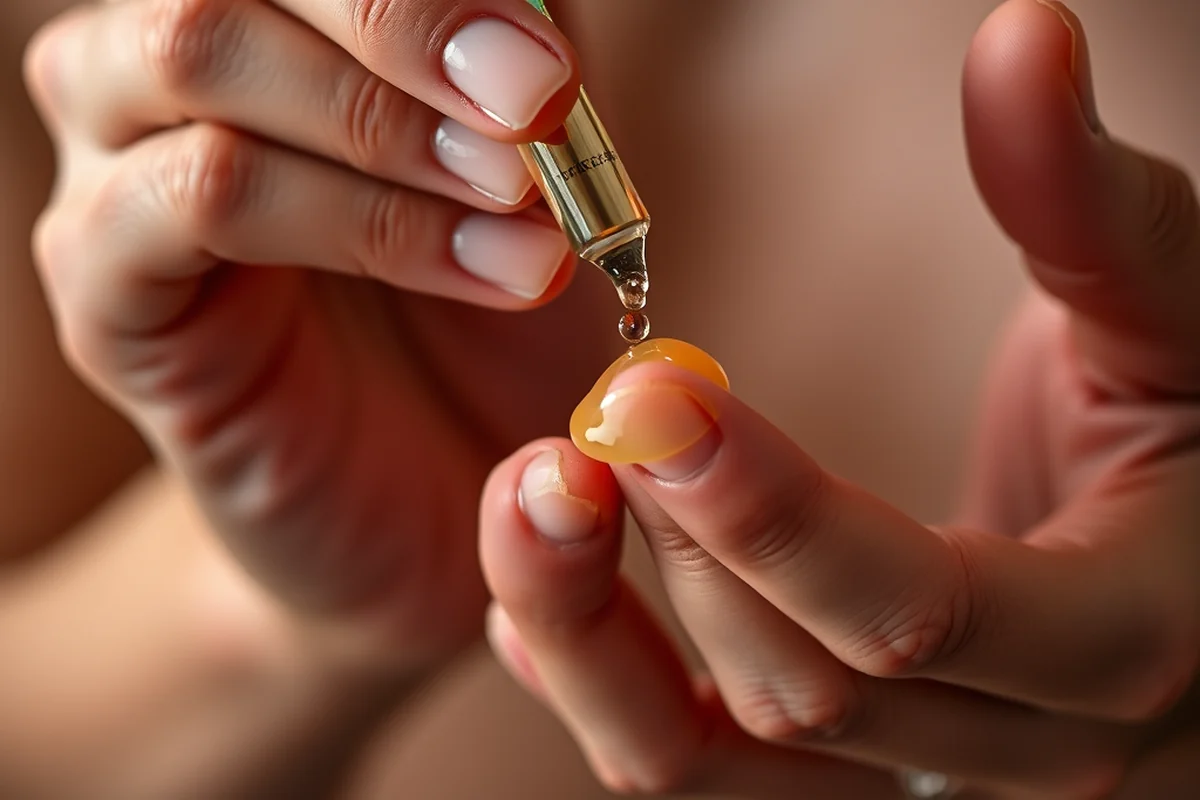
Many vegan skincare products are not tested for skin compatibility, which can lead to unexpected adverse reactions.
Choosing the wrong product for your skin type can waste time and money and even cause harm to your skin.
Understanding your skin's unique needs and selecting products that cater to those needs is essential for a successful vegan skincare routine.
Related: Vegan Skincare For Men Over 40 Mistakes
Neglecting the Role of Preservatives in Vegan Skincare
Vegan skincare products require preservatives to maintain their integrity and effectiveness.
Natural preservatives may not be sufficient to prevent spoilage and can sometimes be more irritating than synthetic alternatives.
Choosing products with proven, safe preservatives ensures that your skincare routine remains effective and long-lasting.
“Vegan skincare products require preservatives to maintain their integrity and effectiveness.”— Vegan Skincare for Men Over 40 editors
Related: Why Vegan Skincare For Mature Skin
Overlooking the Importance of Clinical Testing
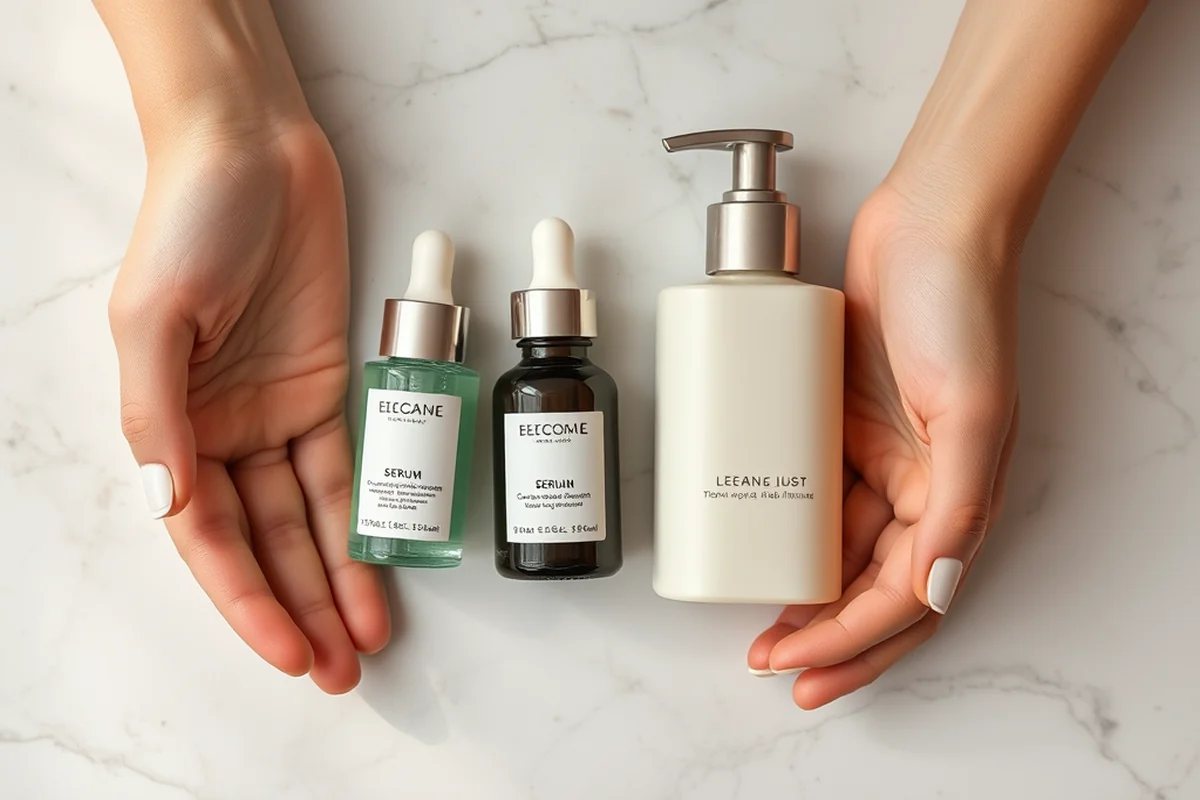
Clinical testing is essential to ensure that vegan skincare products are both safe and effective.
Many vegan skincare products on the market are not tested, leading to potential risks for users.
Choosing products that have been clinically tested ensures that you are investing in a product that delivers real results.
Related: Why Vegan Skincare For Acne
Ignoring the Impact of Packaging on Sustainability
Vegan skincare products can still have a negative impact on the environment if they are not packaged sustainably.
Many vegan skincare brands overlook the importance of sustainable packaging, leading to environmental waste.
Choosing products with eco-friendly packaging ensures that your skincare choices are as ethical as they are effective.
Misinterpreting 'Clean Beauty' as Always Vegan
Clean beauty and vegan skincare are not the same, and confusing the two can lead to misinformed choices.
Many clean beauty products contain animal-derived ingredients and are not suitable for a vegan lifestyle.
Always verify whether a clean beauty product is also vegan to ensure that it aligns with your values.
Expert Tips and Advanced Techniques
Expert skincare formulators emphasize the importance of ingredient synergy—ensuring that active ingredients work together rather than counteract each other. This is especially crucial in vegan skincare, where synthetic alternatives often replace traditional animal-derived components. A deep understanding of how ingredients like hyaluronic acid interact with plant-based emollients can enhance product efficacy.[4]
Advanced techniques involve precise pH balancing to maintain skin integrity and optimize absorption. Vegan skincare often uses natural preservatives like rosemary extract or grapefruit seed extract, which require careful formulation to ensure stability and shelf life. PH levels must be tailored to the skin type, with formulations for sensitive skin typically ranging between 4.5 and 5.5.
Customized formulations are another advanced technique, allowing for tailored vegan skincare products that address specific concerns like acne, aging, or hyperpigmentation. This requires knowledge of bioavailability and penetration rates of plant-based actives, ensuring that the product delivers the intended benefits effectively and safely.
Tools, Materials and Resources
Key tools for developing a vegan skincare range include a digital scale for precise ingredient measurement, a pH meter to ensure product stability, and a homogenizer for smooth texture. These tools help maintain consistency and quality, especially when working with natural, plant-based ingredients that can vary in potency and texture.
Materials such as emulsifiers, preservatives, and natural oils are essential for creating effective vegan formulations. It's important to source high-quality, cruelty-free ingredients from trusted suppliers who provide transparency about their sourcing and manufacturing processes. This ensures that the final product meets both ethical and performance standards.
Resources like scientific skincare journals, online formulation courses, and vegan certification guidelines (e.g., from The Vegan Society or PETA) can help creators stay informed on best practices and compliance. Engaging with vegan skincare communities and forums can also provide valuable insights and feedback during the product development process.
Troubleshooting and Common Questions
One common challenge in vegan skincare is ensuring product stability without synthetic preservatives. Natural preservatives like vitamin E or rosemary extract can be used, but they require careful testing for efficacy and shelf life.
Another frequent question is how to achieve the right texture and consistency without animal-derived ingredients. Using emulsifiers like lecithin or xanthan gum can help create smooth, stable products that perform well.
Testing is essential for troubleshooting issues like separation or scent changes. Conducting small-scale trials and consulting with formulation experts can help refine the product before full-scale production.
Getting Started: Your First Steps
The first step in starting a vegan skincare routine is identifying your skin type—oily, dry, combination, or sensitive—and any specific concerns such as acne, aging, or hyperpigmentation. This will help narrow down the best vegan products tailored to your needs.
Once your skin type is identified, research vegan-friendly brands that are cruelty-free and use ethical, sustainable practices. Look for certifications such as Leaping Bunny or PETA to ensure authenticity and quality.
Start with a simple routine: cleanse, moisturize, and apply sunscreen. Gradually introduce active ingredients like vitamin C or niacinamide, and monitor how your skin reacts. Patience and consistency are key to achieving long-term results.
🌱 Beginner
The simplest version — minimal supplies, quick win.
💰 Budget
Same result using what you already have.
⚡ Quick
The 10-minute version for busy days.
✨ Advanced
The upgraded version once the basics stick.
| The mistake | Why it happens | The fix |
|---|---|---|
| Ignoring the importance of preservatives in vegan skincare. | Vegan skincare products may lack effective preservatives, leading to product spoilage and potential skin irritation. | Choose products that use safe, effective preservatives like sodium benzoate or potassium sorbate to ensure product longevity and safety. |
vegan skincare range mistakes
Common Questions
Are all natural ingredients vegan?
Can vegan skincare products be as effective as non-vegan ones?
How can I verify if a skincare product is genuinely vegan?
What should I do if I experience a reaction to a vegan skincare product?
Cite this guide
Vegan Skincare for Men Over 40 (2026). Vegan Skincare Range Mistakes. https://plantskinmen.com/vegan-skincare-range-mistakes/
Feel free to cite or share this guide.
References
- Case study on SimplySiti Cosmetic - Academia.edu (academia.edu)
- Clallam County Fair Exhibitors' Guide 2026 (clallamcountywa.gov)
- Неозаглавена (cos-data.seattle.gov)
- Reflections on Tom Regan and the Animal Rights Movement That ... (digitalcommons.calpoly.edu)