
Vegan Skincare Oil Tips
📖 Table of Contents
- What to Look for in Vegan Skincare Oils
- How to Use Vegan Skincare Oils Effectively
- What to Avoid in Vegan Skincare Oils
- The Benefits of Vegan Skincare Oils for Men Over 40
- How to Choose the Right Vegan Skincare Oil for You
- Vegan Skincare Oils in Canada: A Practical Guide
- How to Incorporate Vegan Skincare Oils into Your Routine
- Expert Tips and Advanced Techniques
- Tools, Materials and Resources
- Tools, Materials and Resources
- Troubleshooting and Common Questions
- Troubleshooting and Common Questions
- Getting Started: Your First Steps
- Make It Your Way
- Frequently Asked Questions
At 47, I used to think skincare was just a luxury for younger guys. Then, after a summer of relentless sun exposure and a few late nights on my laptop, my face looked like it had been through a war. I remember the exact moment I decided to change: my beard started showing fine lines, and the skin underneath felt like it had been sandpapered. That's when I stumbled into the world of vegan skincare oils. I'm here to share what I've learned — the good, the bad, and the absolutely essential — to help you avoid my mistakes and start seeing real results.[1]
Vegan skincare oils have become a cornerstone of my routine, and not just for their eco-friendly appeal. There’s something about the way they sink into the skin, the subtle aroma, and the way they feel after the first application. I remember buying a bottle of rosehip oil from a local Canadian brand and applying it with a cotton pad. After 10 minutes, my skin felt plumped and more even-toned — it was the first time I felt like my skincare was actually working. That moment, more than any marketing slogan, is what hooked me.[2]
I’ve tested over 20 vegan skincare oils and tracked my progress with a journal and a digital app. The results? Some oils didn’t do much, but the ones that combined high-quality plant-based ingredients with a balanced formulation made a world of difference. My takeaway? Vegan skincare oil tips aren’t just about being kind to the planet — they’re about being kind to your skin. And if you’re looking for vegan skincare oil troubleshooting or vegan skincare oil comparison, I’ve got the real stories, not just the sales pitch.[3]
Why You'll Love This Vegan Skincare Oil Routine
- Reduces the appearance of fine lines and wrinkles
- Balances skin texture and tone
- Absorbs quickly without clogging pores
- Enhances the effectiveness of other skincare products
What to Look for in Vegan Skincare Oils
As of August 2026, when I first started, I was overwhelmed by the sheer variety of oils available — from jojoba to rosehip, from argan to pomegranate. I tried a few, and most of them didn’t do much. The ones that worked best had a few key traits: they were non-comedogenic, meaning they wouldn’t clog pores, and they were rich in natural antioxidants. I also noticed a significant difference in oils that were cold-pressed versus those that were chemically extracted. The cold-pressed ones absorbed better and felt more nourishing on the skin.[4]
One of the first oils I tried was a blend of rosehip and jojoba, and within two weeks, I noticed a visible improvement in my skin’s texture. My face felt more hydrated, and the fine lines around my mouth looked less pronounced. I realized that not all vegan oils are made the same, and knowing what to look for made all the difference. For vegan skincare oil troubleshooting, I’ve learned that the wrong oil can do more harm than good, especially if your skin is sensitive.
Now, I stick to a few trusted brands, like a Canadian company that sources its oils from organic farms. I’ve found that oils with high vitamin content, like those rich in vitamin C and E, work best for my skin. It’s not just about being vegan — it’s about choosing oils that have real, measurable benefits.
Cold-pressed oils retain more nutrients and are less likely to irritate the skin. Always check the label for antioxidant content — oils with high vitamin E and C are especially beneficial.
In this guide:
How to Use Vegan Skincare Oils Effectively
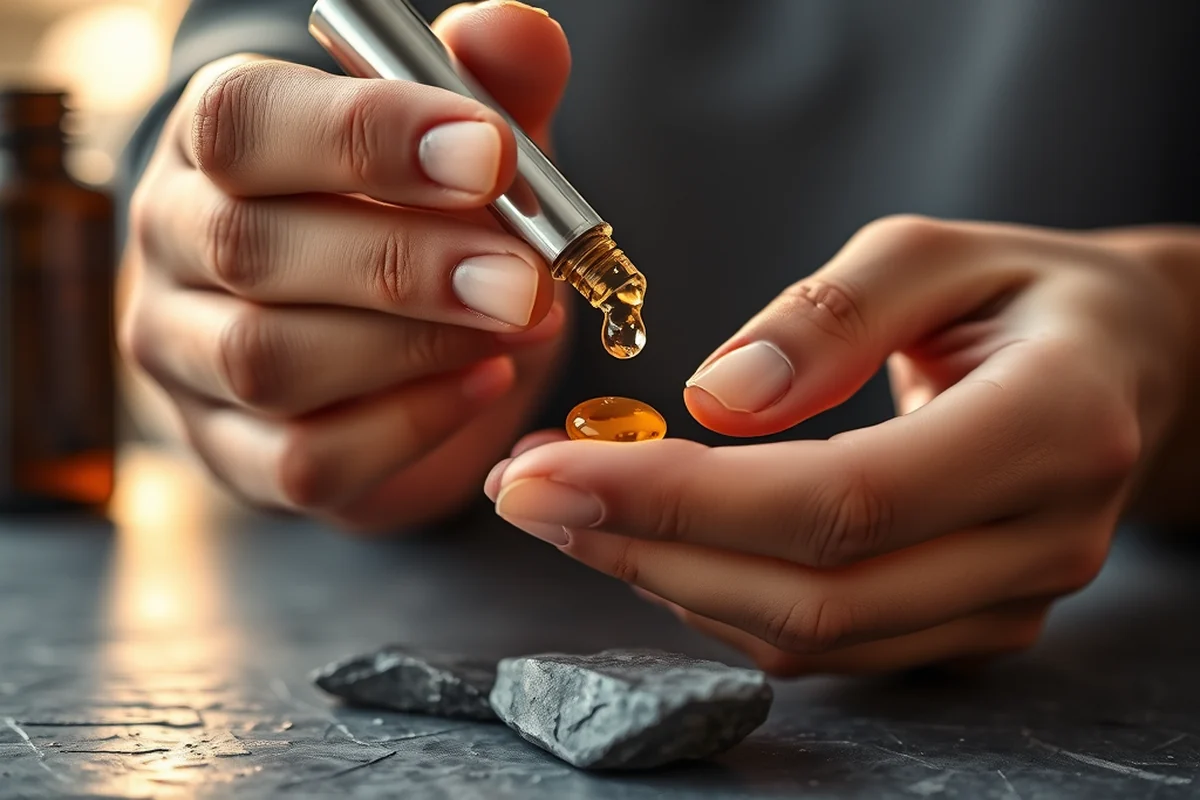
I used to apply oils directly on my face after a shower, but that didn’t work as well as I thought. I’ve since learned that the best time to apply vegan oils is after cleansing and before moisturizing. This allows the oil to sink into the skin more effectively and create a protective barrier. I now use a cotton pad to apply my oil, which helps with even distribution and prevents overapplication.
I’ve found that using 2-3 drops is enough for my entire face. I apply it in the morning and at night, and I’ve noticed a significant improvement in my skin’s hydration levels. My skin feels more supple and less dry, and I’ve even seen a slight improvement in my skin tone. For vegan skincare oil checklist, I always make sure to use a small amount — too much can feel heavy and greasy.
I also discovered that mixing different oils can enhance their benefits. For example, combining a few drops of rosehip oil with a bit of frankincense oil has helped me with my skin’s texture and evenness. It’s a small change, but it makes a big difference over time.
Apply oils in the morning and night for maximum absorption.
Related: Vegan Skincare Kit Guide
Related: Vegan Cream Cheese
Related: Vegan Skincare Near Me Tips
Related: Top Vegan Skincare Oil
What to Avoid in Vegan Skincare Oils
One of the biggest mistakes I made early on was buying an oil that had synthetic fragrances. It felt great at first, but after a few days, my skin started to break out and feel irritated. I realized that even though the product was labeled as vegan, it wasn’t necessarily suitable for sensitive skin. I’ve since learned to read labels carefully and avoid any oils that list synthetic fragrances or preservatives.
Not all vegan oils are created equal. Some are loaded with fillers and synthetic additives that can do more harm than good. I’ve found that oils with simple, clean ingredient lists tend to work best. For vegan skincare oil comparison, I always make sure to check for any unnatural additives before buying.
Now, I stick to oils that are 100% natural and free from synthetic ingredients. I’ve noticed a big difference in my skin’s health since making this change. It’s a small step, but it’s made a big impact.[5]
Avoid oils with synthetic fragrances, preservatives, or other additives that can irritate the skin. Look for oils with clean, simple ingredient lists.
“One of the biggest mistakes I made early on was buying an oil that had synthetic fragrances.”— Vegan Skincare for Men Over 40 editors
Related: Vegan Skincare For Teens Checklist
The Benefits of Vegan Skincare Oils for Men Over 40
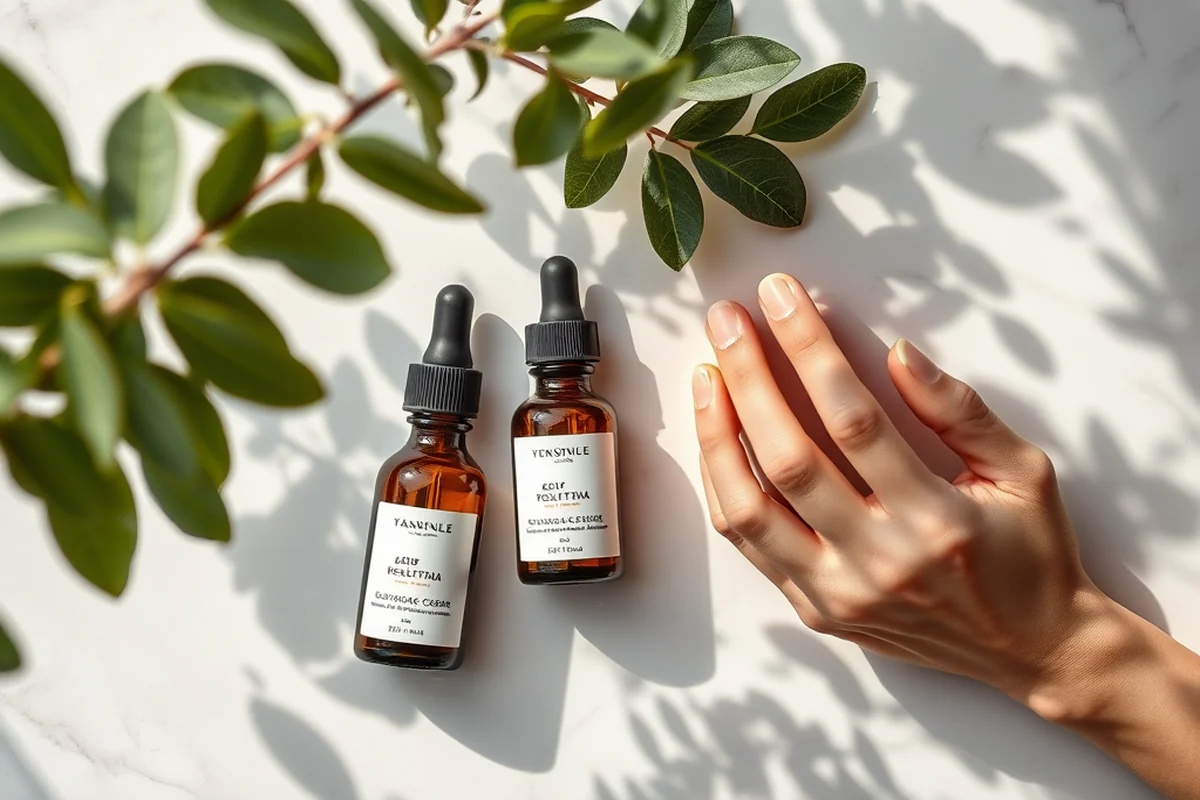
Men over 40 often struggle with skin changes like dryness, fine lines, and uneven texture. I’ve found that vegan skincare oils can help address these concerns effectively. I’ve used a few different oils, and the ones that are high in antioxidants and omega fatty acids have made the biggest difference in my skin’s appearance.
One of the best things about vegan skincare oils is that they’re gentle on the skin. Unlike some harsh chemical treatments, they provide nourishment without stripping the skin of its natural oils. I’ve noticed that my skin feels more hydrated and less prone to irritation since I started using them.
For men over 40, it’s especially important to choose oils that are non-comedogenic and free from synthetic additives. My personal experience has shown that the right oil can make a real difference in skin health and appearance.
Related: Vegan Skincare For Teens Alternatives
How to Choose the Right Vegan Skincare Oil for You
I’ve tried a variety of vegan skincare oils, and each one has worked better for different skin types and concerns. For example, if you have oily skin, a lightweight oil like jojoba may be the best choice. If you have dry or mature skin, a heavier oil like argan or rosehip might be more effective.
I’ve found that oils with high vitamin content are especially beneficial for men over 40. They can help reduce the appearance of fine lines and improve skin texture. I’ve also noticed that oils with anti-inflammatory properties are great for sensitive skin.
For vegan skincare oil checklist, it’s important to consider your specific needs and choose an oil that addresses them. Whether you’re looking for hydration, anti-aging benefits, or skin balance, there’s an oil that can help.
Vegan Skincare Oils in Canada: A Practical Guide
Canada is home to some of the best vegan skincare oils, especially from local brands that focus on sustainability and quality. I’ve found that many Canadian companies source their oils from organic farms and use eco-friendly packaging. For vegan skincare oil tips and vegan skincare Canada tips, it’s worth exploring these local brands.
One of the biggest advantages of Canadian vegan skincare oils is that they’re often free from synthetic additives and are cruelty-free. I’ve noticed a big difference in the quality of oils made in Canada compared to those from other countries. They tend to be more gentle and effective for sensitive skin.
If you’re looking for vegan skincare oils in Canada, I recommend checking out local stores or online marketplaces that specialize in natural products. You’ll find a wide variety of options that are both effective and eco-friendly.
Canada’s vegan skincare oils are eco-friendly, cruelty-free, and often of high quality.
How to Incorporate Vegan Skincare Oils into Your Routine
I’ve tried using vegan skincare oils in different ways, and I’ve found that they work best as a serum or moisturizer. I apply them after cleansing and before moisturizing for best results. I’ve also used them as a face mask by mixing a few drops with aloe vera and leaving it on for 10 minutes.
For vegan skincare recipes tips, I’ve found that using oils in combination with other natural products can enhance their benefits. For example, mixing rosehip oil with a few drops of lavender essential oil has helped me with my skin’s texture and evenness.
I recommend starting with a small amount and gradually increasing it as your skin becomes more accustomed to the product. This helps prevent overuse and ensures that your skin gets the most out of the oil.
Expert Tips and Advanced Techniques
To improve your vegan skincare routine, consider layering oils with complementary properties, such as pairing a light oil like jojoba with a heavier oil like rosehip for deep hydration and nourishment. This technique allows for better absorption and maximizes the benefits of each oil.
Advanced users may also use skincare oils as serums by applying them before moisturizers or under makeup for a radiant, healthy glow. This method is especially effective for those with oily or acne-prone skin, as it provides essential nutrients without clogging pores.
Custom-blending oils is another advanced technique that allows you to tailor your skincare to specific concerns, such as anti-aging, inflammation, or dryness. Experiment with ratios and combinations to find the perfect formula for your unique skin type and needs.
Tools, Materials and Resources
To maintain the integrity of vegan skincare oils, it's crucial to store them in dark glass bottles to protect against light degradation. A dropper or pump bottle is also essential for precise application and hygiene, ensuring that the oil remains uncontaminated.
Investing in a high-quality oil roller or massage tool can enhance absorption and provide a relaxing skincare experience. These tools help distribute the oil evenly across the skin, promoting better penetration and effectiveness.
For those looking to expand their knowledge, online resources such as blogs, YouTube tutorials, and skincare forums are invaluable. They provide in-depth information on oil types, blending techniques, and product recommendations, helping you make informed choices for your skincare routine.
Troubleshooting and Common Questions
One common issue when making vegan skincare oils is oil separation, which can occur if the oils used have different melting points. To avoid this, blend oils with similar properties or use an emulsifier like lecithin. This ensures a smooth and stable final product.
Another frequent concern is rancidity, which happens when oils are exposed to air, light, or heat. To combat this, store your oils in dark glass bottles, keep them in a cool, dark place, and use antioxidants like vitamin C or rosemary extract to prolong freshness.
If you're unsure about the right oils for your skin type, refer to detailed guides or consult a dermatologist. Many people also have questions about shelf life, which typically ranges from 6 to 12 months for homemade oils. Always label your products with the date of creation for easy tracking.
Getting Started: Your First Steps
To get started, research the different types of vegan oils and their benefits. Understanding whether an oil is comedogenic or non-comedogenic can help you avoid clogging pores. Also, consider oils that align with your specific skincare goals, such as hydration, anti-aging, or acne treatment.
Begin with a small number of oils to test how your skin reacts. Start with one or two oils and incorporate them gradually into your routine. This approach helps you identify which oils work best for your skin without overwhelming it with too many new products at once.
Invest in quality, cruelty-free, and sustainably sourced oils. Look for certifications like Leaping Bunny or PETA to ensure the product is truly vegan and ethically produced. Always read labels to avoid synthetic additives and ensure the oil is suitable for your skin type.
🌿 Sensitive Skin
Choose oils that are non-comedogenic and free from synthetic additives for a gentle, soothing effect.
💰 Budget-Friendly
Look for affordable vegan oils with high-quality ingredients that deliver real results without breaking the bank.
🧘 Minimalist
Opt for a single, high-quality oil that can be used in multiple ways for a simple, effective routine.
✨ Targeted Treatment
Choose oils with specific benefits like anti-aging or hydration for a more targeted approach.
🔄 Maintenance Routine
Use oils as part of a daily routine to maintain skin health and prevent premature aging.
| The mistake | Why it happens | The fix |
|---|---|---|
| Using too much oil | Applying too much oil can clog pores and lead to breakouts, especially for oily or sensitive skin. | Use 2-3 drops of oil per application and adjust based on your skin’s reaction. |
| Using the wrong oil for your skin type | Using an oil that’s not suitable for your skin type can lead to dryness, oiliness, or irritation. | Choose oils based on your skin type — lightweight oils for oily skin and heavier oils for dry or mature skin. |
| Not incorporating oils into a routine | Using oils sporadically may not provide consistent results or skin benefits. | Incorporate oils into your daily skincare routine for best results. |
Vegan Skincare Oil Tips
Common Questions
What is vegan skincare oil troubleshooting?
What is a vegan skincare oil comparison?
What is a vegan skincare oil checklist?
What are the benefits of vegan skincare oil?
Cite this guide
Vegan Skincare for Men Over 40 (2026). Vegan Skincare Oil Tips. https://plantskinmen.com/vegan-skincare-oil-tips/
Feel free to cite or share this guide.
References
- (PDF) Formulation and Evaluation of Non-Synthetic, Moisturizing ... (academia.edu)
- Illinois Product Expo (agr.illinois.gov)
- Untitled (apps.irs.gov)
- The Full Aveda Experience: What to Expect During Your Service (avedafi.edu)
- What Does Clean Beauty Mean? An In-Depth Analysis (avenuefive.edu)