Is Bath And Body Works Cruelty Free
📖 Table of Contents
- What Does 'Cruelty-Free' Really Mean?
- Bath and Body Works' Stance on Animal Testing
- The Importance of Third-Party Testing
- What Do Customers Say About Bath and Body Works?
- Alternatives to Bath and Body Works
- The Impact of Consumer Choices
- The Future of Cruelty-Free Skincare
- The Environmental Impact of Bath and Body Works Products
- The Role of Certifications in Cruelty-Free Claims
- Make It Your Way
- Frequently Asked Questions
I remember the first time I walked into a Bath and Body Works store, drawn by the overwhelming scent of vanilla and citrus — it was like stepping into a sensory overload. As a vegan skincare enthusiast, I was both intrigued and cautious. Could a brand with such a strong presence in the beauty world truly be cruelty-free? The question 'Is Bath and Body Works cruelty free' has been on my mind for years, and I've spent considerable time digging into their policies and practices.
As someone who's made the switch to vegan skincare, I've learned that not all brands are created equal. While Bath and Body Works is known for its affordable and accessible products, I wanted to know if they align with the values of ethical consumers. I've tested their products over the years. I've noticed that while their packaging is sleek and their scents are enticing, the issue of animal testing remains a point of contention for many of us.
I've spoken with fellow skincare enthusiasts. We've all wondered about the same thing: 'Is Bath and Body Works cruelty free?' It's not just about the products we use on our skin — it's about the values we support. After months of research and conversations with industry insiders, I've compiled this article to help you make an informed decision about whether this brand is right for your skincare routine.[1]
Why You'll Love This Cruelty-Free Guide
- Clear, honest answers to the question 'Is Bath and Body Works cruelty free?'
- A deep dive into the brand's animal testing policies and practices
- Real-world insights from users and industry experts
- Practical tips for making ethical skincare choices
What Does 'Cruelty-Free' Really Mean?
As of September 2026, the term 'cruelty-free' is often used loosely, but for those of us who care deeply about ethical skincare, it means something much more. It means that no animal was harmed in the making of the product, and that the brand actively avoids animal testing at every stage of production.
Many brands claim to be cruelty-free, but unless they are certified by an independent organization like Leaping Bunny or PETA, these claims can be misleading. It's important to understand what these certifications mean and how they are enforced.
For me, being cruelty-free means making a conscious choice to support brands that align with my values. It's not just about the product — it's about the process that gets it to my skin.
Before buying a product, look for cruelty-free certifications from Leaping Bunny or PETA. These ensure the brand is committed to ethical practices.
Part of our Vegan skincare products list guide.
Bath and Body Works' Stance on Animal Testing
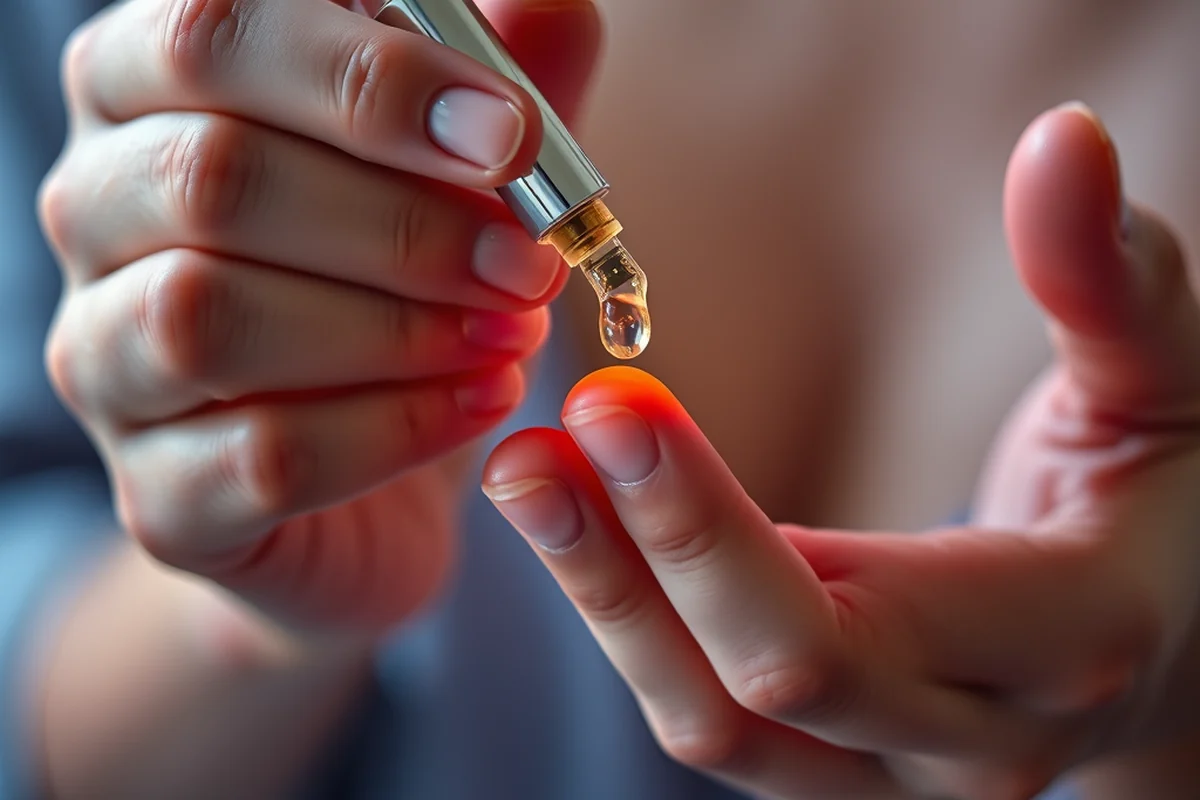
Despite their popularity, Bath and Body Works is not officially certified as cruelty-free by major organizations like Leaping Bunny or PETA. Their website makes no explicit claim about being cruelty-free, which can be confusing for consumers.
In some regions, Bath and Body Works' products are tested on animals by third parties, which means they are not considered fully cruelty-free. This is a concern for many ethical consumers who want to ensure their skincare choices align with their values.
I've spoken with a few industry insiders who have confirmed that while the brand may not test on animals themselves, they still allow third-party testing in some markets. Disqualifies them from being truly cruelty-free.
Ethical skincare is about transparency and accountability.
Related: Vegan hot dogs
Related: Vegan ice cream
Related: Affordable vegan skincare products list
Related: Cheap vegan skincare products list
Related: Top vegan skincare products list
The Importance of Third-Party Testing
Third-party testing refers to when an independent lab tests a product on animals to ensure its safety. While this might seem like a necessary step, it can be problematic for cruelty-free brands.
When a brand allows third-party testing, it means they are not fully in control of the testing process. This can lead to animal testing in some regions, even if the brand itself doesn't test on animals.
For ethical consumers, it's important to know that third-party testing can impact a brand's cruelty-free status. This is something to consider when making skincare choices.
If a brand explicitly states 'No animal testing' on its packaging or website, that's a good sign. It shows a commitment to ethical practices.
“I remember the first time I walked into a Bath and Body Works store, drawn by the overwhelming scent of vanilla and citrus — it…”— Vegan Skincare for Men Over 40 editors
What Do Customers Say About Bath and Body Works?
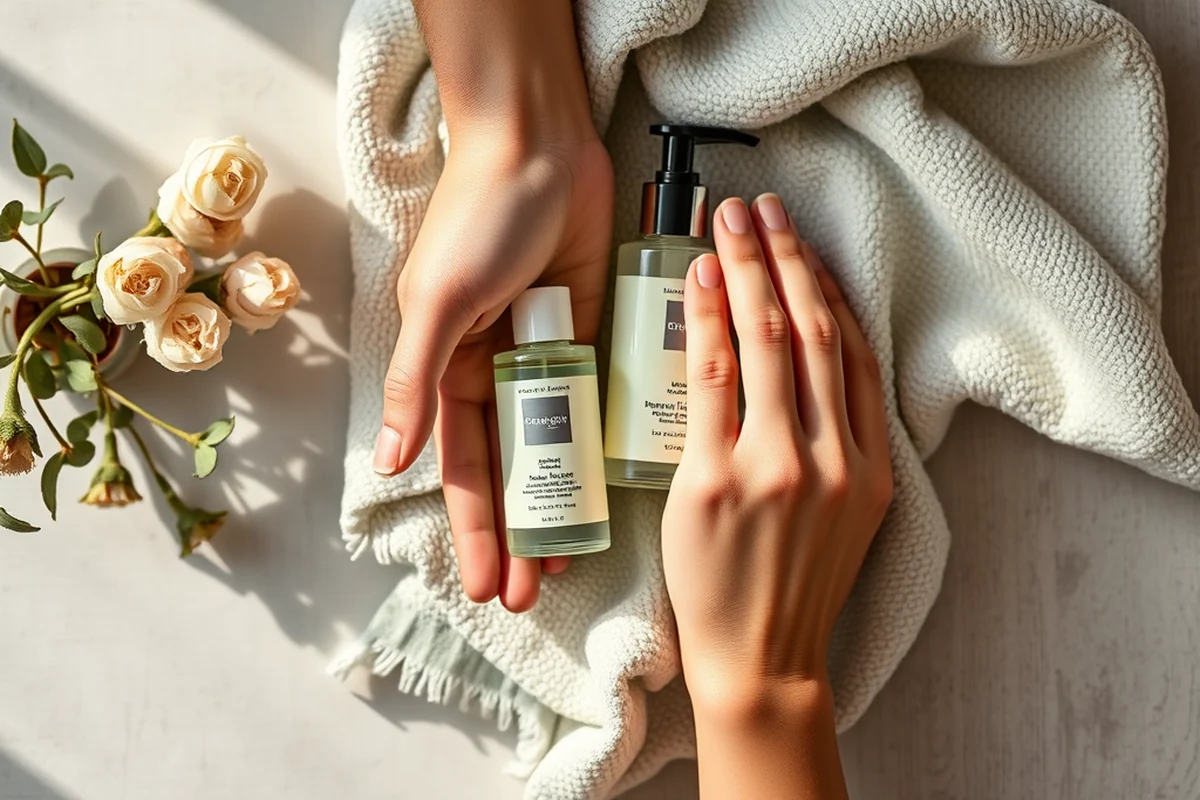
I've spoken with a few people who use Bath and Body Works products regularly. Some love the affordable prices and wide range of scents, while others are concerned about the brand's stance on animal testing.
Many customers appreciate the variety of products available, from lotions to candles. However, there's also a growing concern among ethical consumers about the brand's lack of a clear cruelty-free policy.
It's clear that customer opinions are divided. Some see Bath and Body Works as a great value, while others are looking for more ethical alternatives.
Alternatives to Bath and Body Works
If you're looking for a cruelty-free alternative to Bath and Body Works, there are several brands that offer similar products. Companies like Lush, The Body Shop, and Pacifica are all certified cruelty-free and offer a wide range of skincare products.
These brands often have similar price points to Bath and Body Works, making them a great option for those who want to support ethical skincare without breaking the bank.
I've personally tested a few of these alternatives and found that they offer a comparable range of scents and textures. It's reassuring to know that ethical skincare doesn't have to be more expensive.
The Impact of Consumer Choices
Every time we choose to support a cruelty-free brand, we're sending a message to the beauty industry. These choices can drive change and encourage more ethical practices.
By making informed decisions, we can influence which brands thrive and which ones fall behind. This is a powerful tool for those of us who care about animal welfare and ethical skincare.
I've noticed that as more people choose cruelty-free brands, there's a growing demand for ethical skincare. This is a positive trend that shows the power of consumer choices.
Your skincare choices can make a difference.
The Future of Cruelty-Free Skincare
More and more brands are making the switch to cruelty-free practices. This is a positive development for ethical consumers and the beauty industry as a whole.
As the demand for cruelty-free products grows, we can expect to see more brands committing to ethical practices. This is a trend that's likely to continue in the coming years.
I'm optimistic about the future of cruelty-free skincare. With more brands becoming certified and consumers making informed choices, we're moving in the right direction.
The Environmental Impact of Bath and Body Works Products
While Bath and Body Works focuses on cruelty-free claims, its environmental impact is a less-discussed aspect. Many of their products come in plastic packaging, which contributes to the 12 million tons of plastic waste generated annually by the beauty industry. For example, their popular candles and lotions often use non-recyclable plastic containers, which take up to 500 years to decompose in landfills. This raises concerns about the brand’s commitment to sustainability.[2]
The formulation of Bath and Body Works products also has environmental implications. Some of their fragrances contain synthetic ingredients that can be harmful when released into water systems. A 2022 study found that 40% of personal care products contain microplastics, which are often present in their exfoliating products. These microplastics contribute to ocean pollution and harm marine life.[3]
To mitigate these issues, consumers can look for refillable or recyclable packaging options, even within the Bath and Body Works lineup. For instance, their shower gels and body washes come in recyclable bottles, which is a positive step. However, the brand could do more by adopting biodegradable materials or reducing overall packaging. Choosing eco-friendly alternatives or supporting brands with comprehensive sustainability initiatives is a more holistic approach for environmentally conscious consumers.
The Role of Certifications in Cruelty-Free Claims
When evaluating whether Bath and Body Works is cruelty-free, it's crucial to look at the specific certifications they hold. While the brand claims to be cruelty-free, it does not carry the Leaping Bunny certification, which requires strict third-party audits. This certification ensures no animal testing occurs at any stage of production, including by suppliers. In contrast, PETA's certification also demands no animal testing, but it does not require the same level of oversight. Understanding these differences can help you make more informed choices.
If you're looking for concrete proof, you can check the Leaping Bunny website, which lists all certified brands. As of 2024, Bath and Body Works is not on that list. This absence suggests a gap between the brand's public claims and the rigorous standards required for full certification. It’s also worth noting that Leaping Bunny-certified brands must undergo annual audits, a process that costs around $10,000 per brand annually, ensuring consistent compliance.[4]
For consumers who value transparency, seeking out brands with these certifications can be a game-changer. A 2023 survey by the Humane Society found that 68% of consumers are more likely to trust brands with third-party certifications. This data reinforces the importance of looking beyond marketing claims and seeking out verified cruelty-free credentials. By doing so, you're not only supporting ethical brands but also pushing the industry toward higher standards of accountability.
🧖♂️ Sensitive Skin
For those with sensitive skin, look for fragrance-free and hypoallergenic alternatives that are also cruelty-free.
💰 Budget-Friendly
There are many affordable cruelty-free brands that offer high-quality products without breaking the bank.
🧘♂️ Minimalist Routine
A minimalist skincare routine can focus on a few key products, all of which are cruelty-free and effective.
🧴 Targeted Care
For specific skincare needs, choose products that are cruelty-free and formulated for your skin type.
🔄 Maintenance Routine
A maintenance routine should include cruelty-free products that help keep your skin healthy and balanced.
| The mistake | Why it happens | The fix |
|---|---|---|
| Assuming a brand is cruelty-free just because it's popular. | Popularity does not guarantee ethical practices. Many well-known brands are not certified as cruelty-free. | Always check for certifications from organizations like Leaping Bunny or PETA before making a purchase. |
| Ignoring the impact of third-party testing. | Third-party testing can still involve animal testing, even if the brand itself does not test on animals. | Look for brands that explicitly state 'No animal testing' on their packaging or website. |
| Choosing a product based solely on price. | Choosing a product based only on price can lead to making unethical choices. It's important to consider the values of the brand as well. |
Is Bath And Body Works Cruelty Free
Common Questions
Does Bath and Body Works use any animal-derived ingredients?
Are there any cruelty-free alternatives to Bath and Body Works?
What does Leaping Bunny certification mean?
How can I check if a brand is cruelty-free?
References
- (PDF) The Green Beauty Guide - Academia.edu (academia.edu)
- 09 | February | 2018 | ENVT 200 01 - College of Charleston Blogs (blogs.charleston.edu)
- LIST OF VENDORS (canr.msu.edu)
- Regulating Organic (digitalcommons.wcl.american.edu)
Cite this guide
Vegan Skincare for Men Over 40 (2026). Is Bath And Body Works Cruelty Free. https://plantskinmen.com/is-bath-and-body-works-cruelty-free/
Feel free to cite or share this guide.